
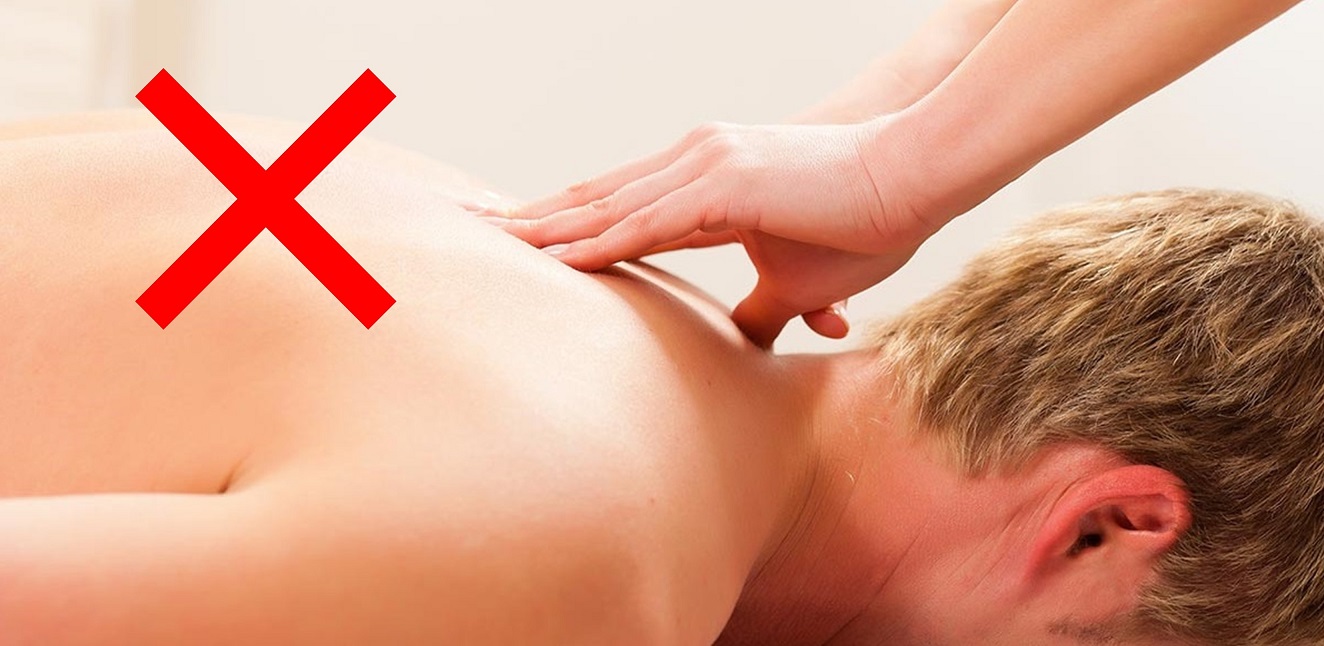
CONTRACINDICATIONS
Massage is not for everyone. A contraindication is a term that refers to a situation where massage should not be performed because it may be harmful to the person/client/patient. A therapist could refuse to give you massage even after you enter the treatment room if you are in any of these situations. Make sure to discuss with the therapist before making an appointment or visiting the practice whenever you have any such related concerns.
Contraindications are divided into three categories – total, local and medical.
Total Contraindications (Complete Contraindications)
No massage should be given to people experiencing the following illnesses or conditions. These include, but are not limited to:
- Fever
- Undiagnosed severe headaches, dizziness, numbness
- Diarrhoea, vomiting
- Contagious / infectious disease
- Under the influence of drugs or alcohol
Local Contraindications
Massage can be performed but not over the contraindicated areas. These include, but are not limited to:
- Inflammation, including arthritis
- Cuts, abrasions, bruising, burns, sunburn
- Skin disease (tinea pedis, verrucae, onychia etc.)
- Undiagnosed lumps or bumps
- Undiagnosed pain
- Varicose veins
- Pregnancy (should be performed by a practitioner trained in Pregnancy Massage)
- Cirrhosis
- Hernia
Medical Contraindications (Relative Contraindications)
Massage can only be performed once medical permission has been granted. If you have any of the following conditions, talk to your GP or doctor first and get permission before getting a massage. These include, but are not limited to:
- Cardio-vascular conditions (thrombosis, high/low blood pressure, heart conditions)
- Cancer (should be performed by a practitioner trained in Cancer Massage)
- Osteoporosis
- Diabetes
- Asthma, bronchitis
- Neurological conditions
- Nervous or psychotic conditions
- Bell’s Palsy
- Epilepsy
- Any conditions already being treated by a medical practitioner
- Recent operation / surgery
© 2023 MYOTIVATE
 MYOTIVATE