
SHIATSU
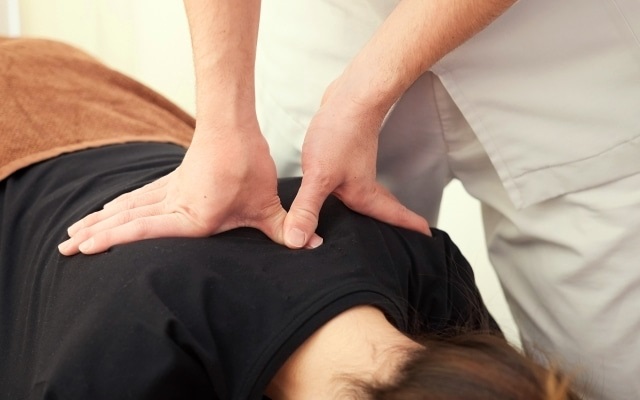
Shiatsu, meaning “finger pressure” in Japanese, is a form of manipulation by thumbs, fingers and palms to apply pressure to the human skin. The techniques used in shiatsu include stretching, holding, and most commonly, leaning body weight into various points along key channels.
Established in the early 1900s in Japan, Shiatsu today has a number of different styles. Namikoshi Shiatsu, founded by Tokujiro Namikoshi and recognized as the official Shiatsu treatment according to Japanese government regulations, has developed its own energy points called “Tsubo”. These Tsubo locations and their effects are based on an understanding of modern Western anatomy and physiology, emphasizing neuro-muscular points, and are NOT related to ancient Chinese Meridians. On the other hand, Zen Shiatsu, derived by Shizuto Masunaga, a graduate and teacher of Namikoshi’s Shiatsu school, is based on the Traditional Chinese Medicine and philosophic framework. Meridian Shiatsu and Tao Shiatsu also follow Traditional Chinese Medicine theory. Zen Shiatsu is the most common Shiatsu practiced in Western countries.
Shiatsu is performed on the floor or a massage bed, and the client wears comfortable clothes that allow for movement.

Learn more about Shiatsu from:
Learn more about other massages.
▋Classification by Regional Characteristics
- Swedish Massage
- Thai Massage
- Tui Na (China)
- Shiatsu (Japan)
- Indian Head Massage
- Ayurvedic Massage (India)
- Lomi Lomi Massage (Hawaii)
- Venik Massage (Russia)
- Turkish Bath Massage
▋Classification by Theory
▋Classification by Equipment Used
▋Classification by Techniques Used
▋Classification by Environment
© 2023 MYOTIVATE
 MYOTIVATE