
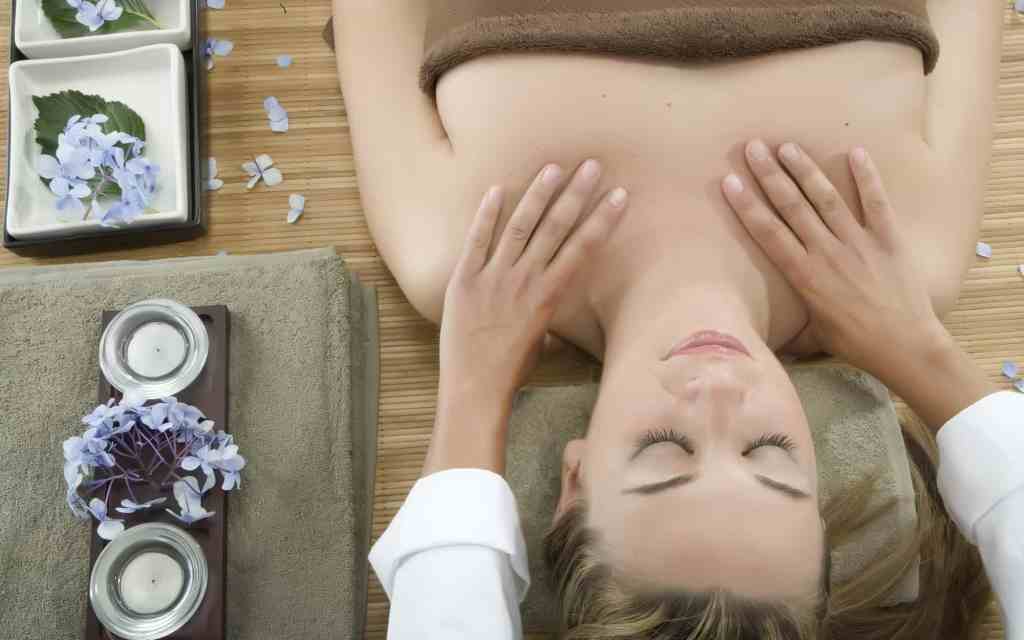
SWEDISH MASSAGE
Also referred to as Classic Massage, Swedish Massage is the most common type of massage offered in Western countries. It stimulates circulation, relieves muscle tension and induces a deep state of relaxation. In daily massage treatment, Swedish Massage is meant to be light and gentle relaxation massage in comparison to Deep Tissue Massage. If you have had massage at a salon, a spa or a beach resort, it is highly likely to have been Swedish Massage.
Swedish Massage was originally developed in the medical environment. In the early 19th century, Swedish physician Pehr Henrik Ling developed a system of integrated manual therapy, combining physical training and gymnastic procedures, to relieve sore muscles and increase flexibility. This concept was then systematised by a Dutch practitioner Johan Georg Mezger, who gave French terms to the techniques used in the massage, as we know it today. These techniques are still fundamentally used in other types of massage such as Aromatherapy, Hot Stone Massage, Chair Massage, Sports Massage, Clinical Massage, Pregnancy Massage and Cancer Massage.
Five basic techniques of Swedish Massage:
- Effleurage: long, sweeping strokes with the palms, thumbs and/or fingertips
- Petrissage: kneading and rolling
- Friction: deep pressure with the thumb, fingertips, or knuckles
- Vibration: oscillatory movements that shake or vibrate the body
- Tapotement (Percussion): brisk hacking movements like chopping and even pounding
Among these techniques, vibration and tapotement are usually omitted in the daily Swedish Massage treatment because they’re not very relaxing.
In a Swedish Massage session, the client strips down to their underwear and lies on a massage table. Oil is applied to the body and the whole body is usually treated (full-body massage).

Learn more about Swedish Massage from
Learn more about other massages.
▋Classification by Regional Characteristics
- Swedish Massage
- Thai Massage
- Tui Na (China)
- Shiatsu (Japan)
- Indian Head Massage
- Ayurvedic Massage (India)
- Lomi Lomi Massage (Hawaii)
- Venik Massage (Russia)
- Turkish Bath Massage
▋Classification by Theory
▋Classification by Equipment Used
▋Classification by Techniques Used
▋Classification by Environment
© 2023 MYOTIVATE
 MYOTIVATE